Getting the roof ready before the next storm reaches Fayetteville
Fayetteville is far enough inland that hurricanes arrive weakened, and close enough that they still arrive. Thunderstorms, hail and the odd tornado fill in the rest of the calendar.
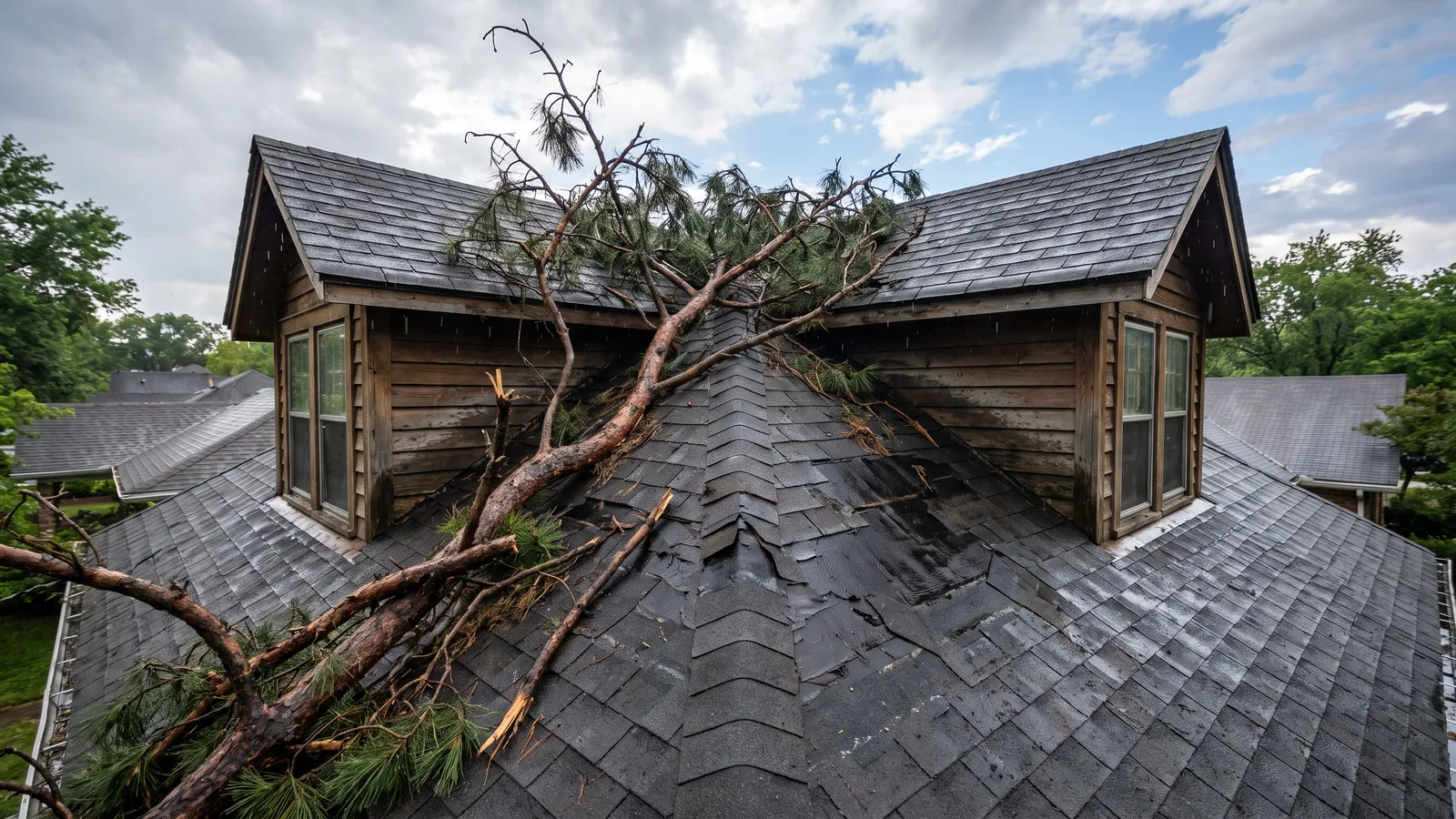
Ask anyone who has lived here a while about storms and you'll hear about the Cape Fear coming up, trees through roofs and long nights without power. The record is a useful reminder that a roof in this county gets tested from spring well into fall.
- September 1996 · FranFayetteville reported gusts up to 79 mph as the eye passed over Clinton, about 30 miles east.
- April 16, 2011 · tornadoesA tornado that formed about six miles northeast of Raeford crossed Cumberland County, with a small area of EF3 damage between Yadkin Road and the Fort Bragg entrance and roughly 150 houses destroyed in northwest Fayetteville. A separate high-end EF3 hit Sanford.
- October 2016 · MatthewFourteen inches of rain on Saturday and eight more on Sunday, after eight inches the weekend before. Countywide, 40 homes were destroyed and 900 structures damaged, and 40,000 PWC customers lost power.
- September 2018 · FlorenceThe Cape Fear at Fayetteville crested around 61.5 feet, 2.6 feet above Matthew's crest; the airport logged over 15 inches of rain that month by September 20.
- June 26, 2023 · hailOne-inch hail reported about eight miles from Fayetteville.
Before the storm months
- Get the roof looked at in spring. Lifted tabs, cracked pipe boots and loose flashing are cheap to fix in April and expensive after wind-driven rain finds them.
- Clean gutters and valleys. Pine needles dam valleys and gutters; water backs up under shingles and over fascia.
- Look up at the trees. Longleaf pines are part of the Sandhills, but a dead limb over the bedroom isn't. Have an arborist deal with the obvious risks.
- Photograph the roof and attic now. Dated photos of a sound roof make any later claim easier.
- Know where your policy is and what your wind or hail deductible is.
- Check the attic ventilation. A hot, damp attic ages shingles and decking; it's also where you'll spot the first sign of a leak.
Gutters and pine straw
Pine needles are the Sandhills' version of autumn leaves. They mat into gutters, build dams in valleys and hold moisture against shingles and fascia. Overflowing gutters in a downpour send water behind the fascia board and into the soffit, where rot starts. Before the storm months, get the gutters and valleys cleared, check that downspouts empty away from the house, and look at the fascia for soft spots. If the gutters are sagging or pulling away from the eave, fix them before a heavy rain loads them with water and needles.
When a storm is coming
- Bring in or tie down anything that can fly into the roof.
- Clear the gutters one more time if it's safe.
- Save our number and your insurer's claim line in your phone.
- Don't climb on the roof to "batten down" anything once the wind picks up.
A tarp done right
A blue tarp held down with a few bricks will be in the neighbor's yard by the next gust. A proper emergency tarp runs up and over the ridge so water can't get under the top edge, is held with wood battens screwed through to the decking along every side, and covers well past the damaged area. It is a temporary fix meant to buy days or weeks, not seasons. Keep the invoice and photos: emergency measures to prevent further damage are often part of a covered claim, and North Carolina's five-day cancellation rule after a claim denial specifically allows emergency work.
The morning after
- Walk around the house from the ground. Look for missing shingles, limbs on the roof, bent gutters and dented vents.
- Check ceilings and the attic for drips and stains.
- Photograph everything before anything is moved, except where safety comes first.
- Call for a tarp if water is getting in. Emergency work to prevent further damage is allowed even while a claim is pending.
- Call your insurer if the damage looks significant, and get a claim number.
- Be patient with door-knockers. You have time to get a second opinion.
People also ask
When is storm season in Fayetteville?
The active stretch runs roughly from April through October, with thunderstorms and hail early and tropical systems later.
Should I get a roof inspection before hurricane season?
It's the cheapest time to find a cracked boot or a loose flashing run, before wind-driven rain does.
Can you tarp my roof during the storm?
Not while it's dangerous. We go up as soon as wind and lightning allow, and prioritize active leaks.
Will insurance pay for a tarp?
Emergency measures to prevent further damage are often part of a covered claim. Keep the invoice and photos and ask your adjuster.
Are pine trees a roof risk?
Healthy pines generally do fine, but dead limbs and leaning trees over the house are worth an arborist's look before the season.
Keep reading: Storm damage repair · Emergency tarping · Hail claims in NC · Gutters and fascia